
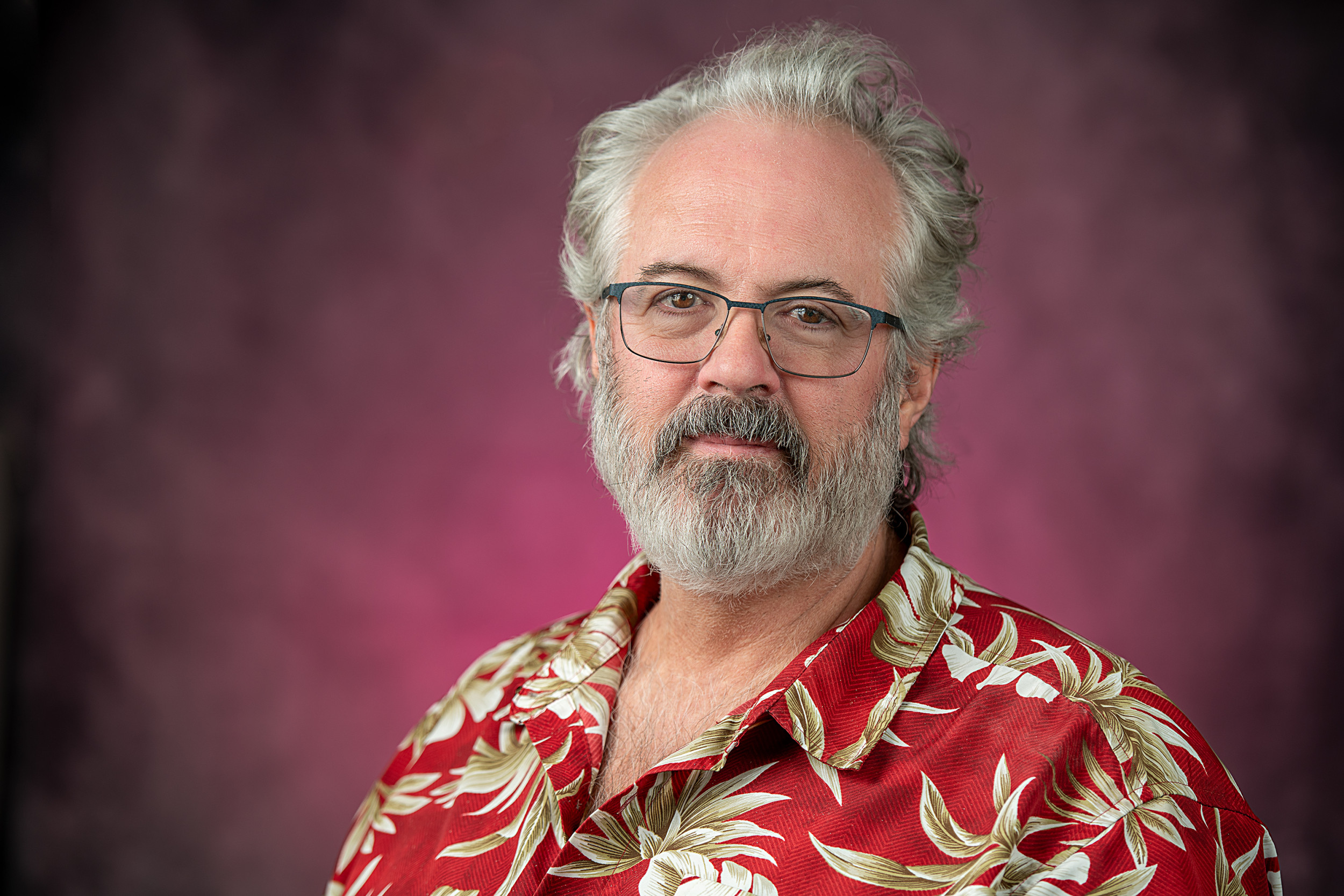
Brigham Phillips
Director
It starts with a memory, perhaps a flicker, of singing around a campfire in Prince Edward Island. The flames dance, the sky darkens, and six-year-old Brigham Phillips strums a ukulele, his voice mingling with the crackle of burning wood. Here, in this elemental setting, Brigham first feels the transformative power of music—not through formal instruction, but by osmosis, by the pure, unfiltered joy it brings.
By 1981, Brigham’s journey leads him to Toronto, leaving behind Halifax and its own set of memories. Here, he joins TMA 149, finding in its community a sense of belonging, a network of fellow musicians who become his anchor. His gigs, often private and one-off events, wouldn’t necessitate union membership, yet the union’s embrace becomes his sanctuary.
Over the next four decades, Brigham Phillips doesn’t just become part of the Toronto music scene; he becomes one of its pillars. He navigates through genres—jazz, pop, Dixieland, theatre, orchestral—each adding a layer to his repertoire. His leadership at TMA 149 is not just informed by his professional accomplishments but is deeply rooted in his diverse experiences as a full-time freelance musician.
As a director at TMA 149, Brigham channels his vast experience into advocacy. He understands the musician’s life—the scrambling for gigs, the varied personalities, the heartaches, and the relentless pursuit of art. This understanding informs his leadership, where he champions fair wages, better working conditions, and greater opportunities for his peers.
Brigham’s tenure at TMA 149 is marked by a commitment to listening, understanding, and acting. He brings a unique perspective, unlike the more predictable paths of symphony or theatre musicians. His career, a mosaic of varied experiences, offers invaluable insights into the challenges and needs of union members. It is this deep empathy and broad understanding that make his advocacy at TMA 149 so impactful.
In Brigham Phillips, the music and the musician are inseparable, each constantly informing and enriching the other. His presence at TMA 149 is not merely functional; it is transformational. His leadership ensures that TMA members are not just part of a union but a legacy—a living testament to the dreams and aspirations of its founders. Through his work, Brigham bridges the gap between art and advocacy, ensuring every musician’s voice is heard and every challenge is met with empathy and resolve.
